main

Byron Hikers – Extreme adventure in the remote East Kimberley Western Australia!

Byron Hikers – Extreme adventure in the remote Kimberley!

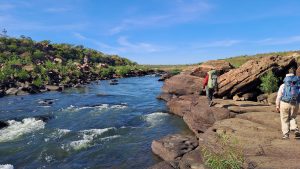
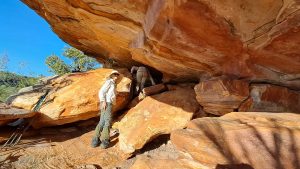
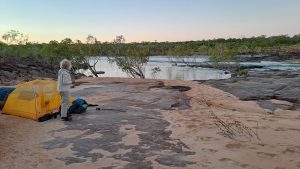
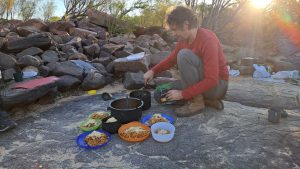
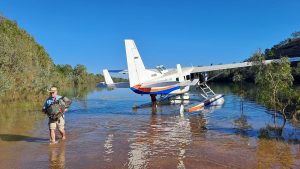
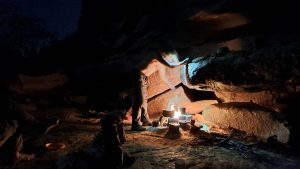
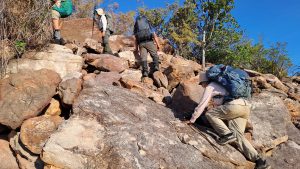
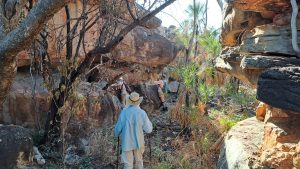
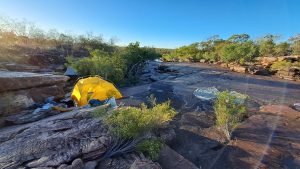
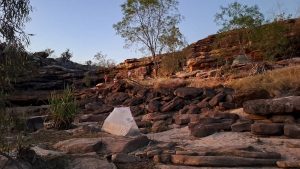
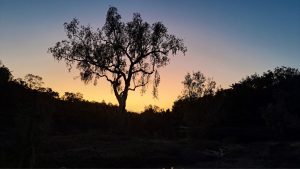
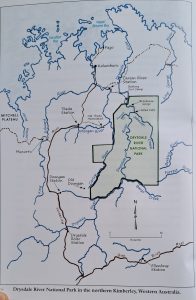
Four members of Byron Hikers Club recently undertook an amazing adventure – a 14-Day exploration of the Drysdale River in the Solea Falls area. Drysdale River National Park in the northern tip of the remote East Kimberley is one of the least accessible national parks in Australia. There are no public roads, no airstrips and no tracks – the park is pack raft or seaplane access only.

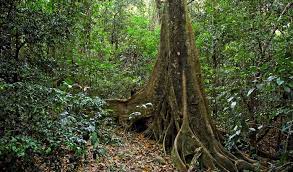
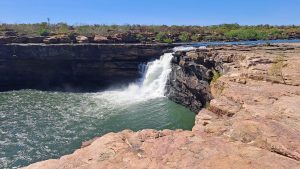
The Drysdale River flows through a magnificent pristine and untouched landscape. The Drysdale River NP is the kingdom of nature and showcases vast tracts of Kimberley wilderness featuring open woodland, gorges, cliffs, waterfalls and the creeks of the Drysdale River. The many water holes allowed for lots of swimming and every night our camp was a ‘dream’ site.

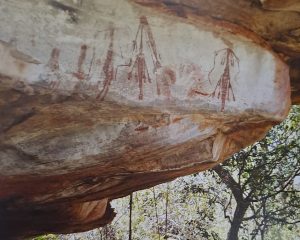
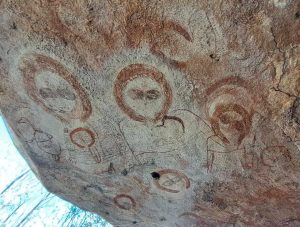
However, the real treasure of this magical place are the hundreds of hypnotic Gwion Gwion figures, an ancient Aboriginal painting style describing a forgotten time of dancing and ceremonies. Byron Hikers visited different rock shelters every day. See the Byron Hikers Facebook page for more information.

Report on Young People in Clubs (YPIC) program and strategies, August 2024

Report on Young People in Clubs (YPIC) program and strategies,     August 2024

Jon Gray, Chair, YPIC Working Group, BNSW  

Summary

The membership of NSW and ACT bushwalking clubs is progressively aging, with relatively few young people joining our clubs. This poses a risk to the long-term viability of our clubs and means that young people are missing out on the joys and benefits of club membership.

The problem is difficult to address because the current older age demographic creates an inherent disincentive for new younger members to join our clubs. Nevertheless, the implementation of several key strategies may help to reverse this trend.

A high priority is for a rebranding and updating of our image, at both the State and Club levels, to create a greater sense of dynamism and adventure that we believe will be more appealing to younger generations.  We recommend inclusion of the word ‘adventure’ in our names, together with inspiring updates to our websites.  Other suggested initiatives include: enhanced social media presence; promoting the benefits of club membership; policies that welcome the young; and the creation of subgroups for young people within the broader club structures. All these strategies working together are required to achieve the success we need. 

  1. Background 

The age profile of existing formal bushwalking clubs in NSW and ACT is weighted to members over 55 and appears to be progressively shifting towards older members.  Relatively few younger people are joining our Clubs.  This poses a risk to the long-term viability of our Clubs and the whole organised bushwalking movement in NSW and ACT. 

From physical activity participation data recently released in the 2022-23 National AusPlay survey results and specifically the Bushwalking data, it appears that only 1.1% of adult participation in bushwalking activity is ‘organised’ (eg, by an education body or scout association) and only about 0.2% is through a Club.  It suggests that most Club participation is in the older cohort of 55 plus and that such participation is gradually declining.  This confirms that despite being a popular activity amongst Australians, people are turning away from bushwalking clubs, especially young people.

The problem has been recognised and discussed by several people and organisations over recent years and decades.  Recent examples include a BNSW member survey (2019), Ben Trewren (2019), Brooke Nolan (2023, Wild magazine), Darren Edwards (2024, unpublished), and Jon Gray (2023-24, BNSW YPIC Opinion Pieces).  See copies and/or further details of these in References and the Appendices.

The situation is often considered a largely intractable problem due to the inevitable gradual aging of existing members and the preference for younger people to join activities with other similarly aged people – a type of ‘vicious circle’.  Whilst this is partly true, there are measures we can take to attract younger members back into our clubs and gradually reverse the aging situation.

The increasing prevalence of less organised and formal social media groups such as ‘Meetup’ groups also serves to direct people away from our more formal clubs.  In these groups, people do not need to formally commit to any single club and there are rarely any formal meetings, thus they may be viewed as more flexible and suited to young people with busy lives.  Young people may also consider them more likely to provide opportunities for connection with others their own age.


  1. BNSW outdoor adventure terminology survey 2023

A survey released by BNSW in late 2023 aimed to examine people’s opinions and perceptions about the terminology currently used to describe bushwalking and related activities.  It tested a proposition that naming and terminology used in conjunction with bushwalking clubs may influence the level of interest and desire to participate in our clubs, particularly from younger people. 

There was a total of 161 respondents, seemingly mostly from BNSW member clubs.  A summary of the results is presented on the BNSW website, with some key findings as follows:

  • A fictional club name with the term ‘outdoor adventure’ received 50% of first preferences, compared to only 8% that contained the term ‘bushwalking’ alone.
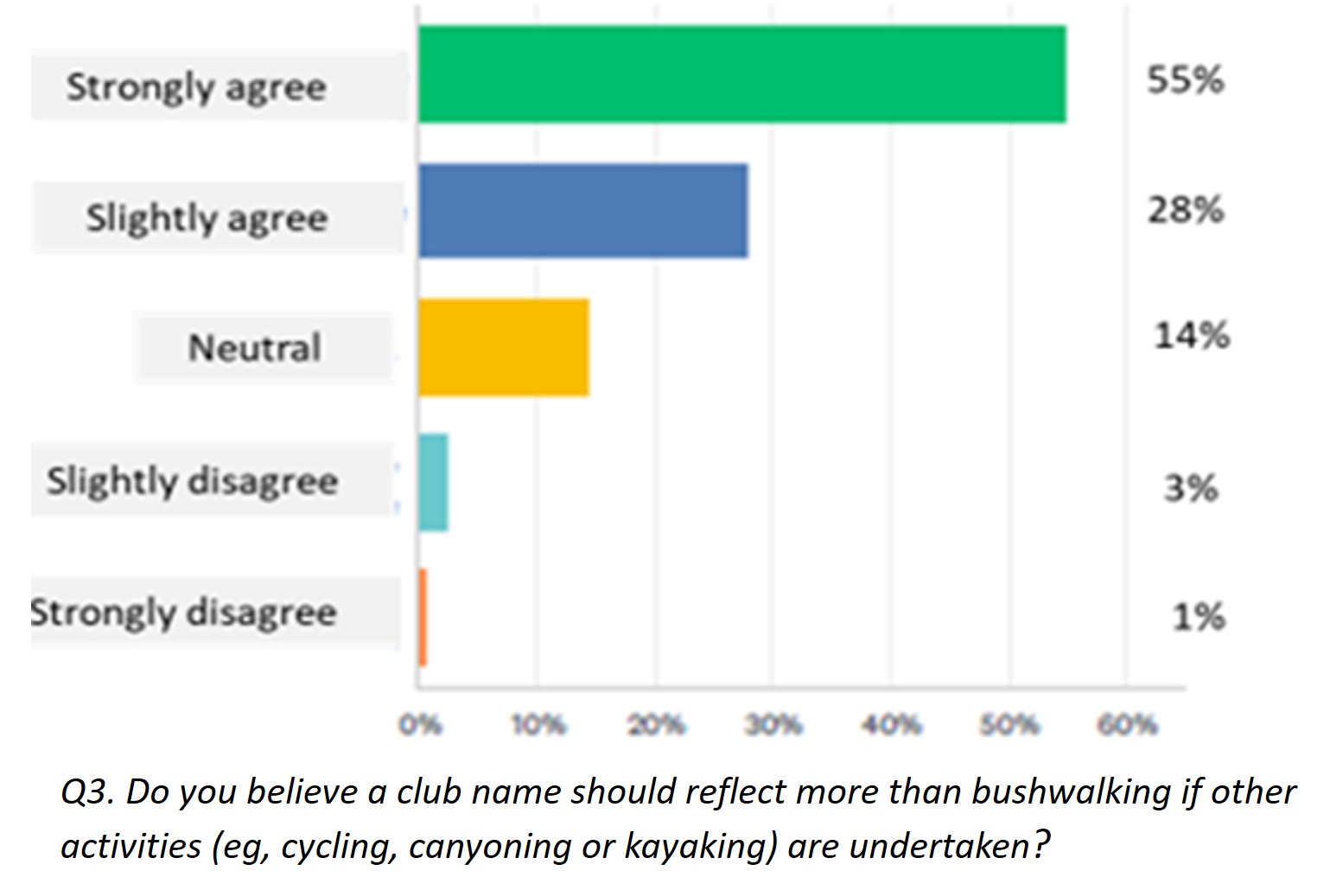
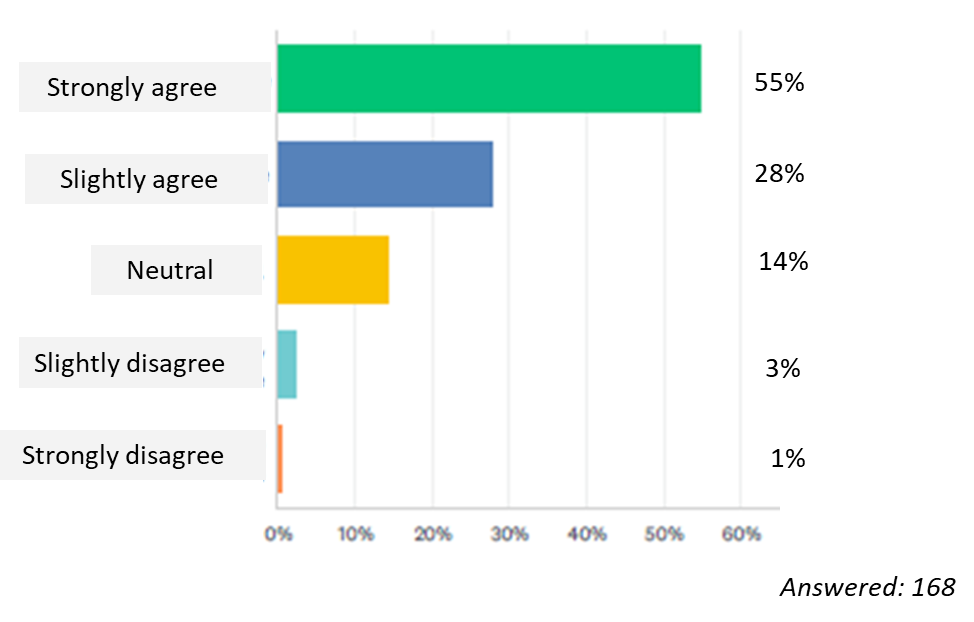
  • 83% of respondents agreed the name of a club should include more than bushwalking if other activities such as cycling, canyoning or kayaking were undertaken (including 55% who strongly agreed).
  • 75% of respondents slightly or strongly agreed that the name of an outdoor club or organisation would influence their perception of how exciting, dynamic and ‘cool’ it was.
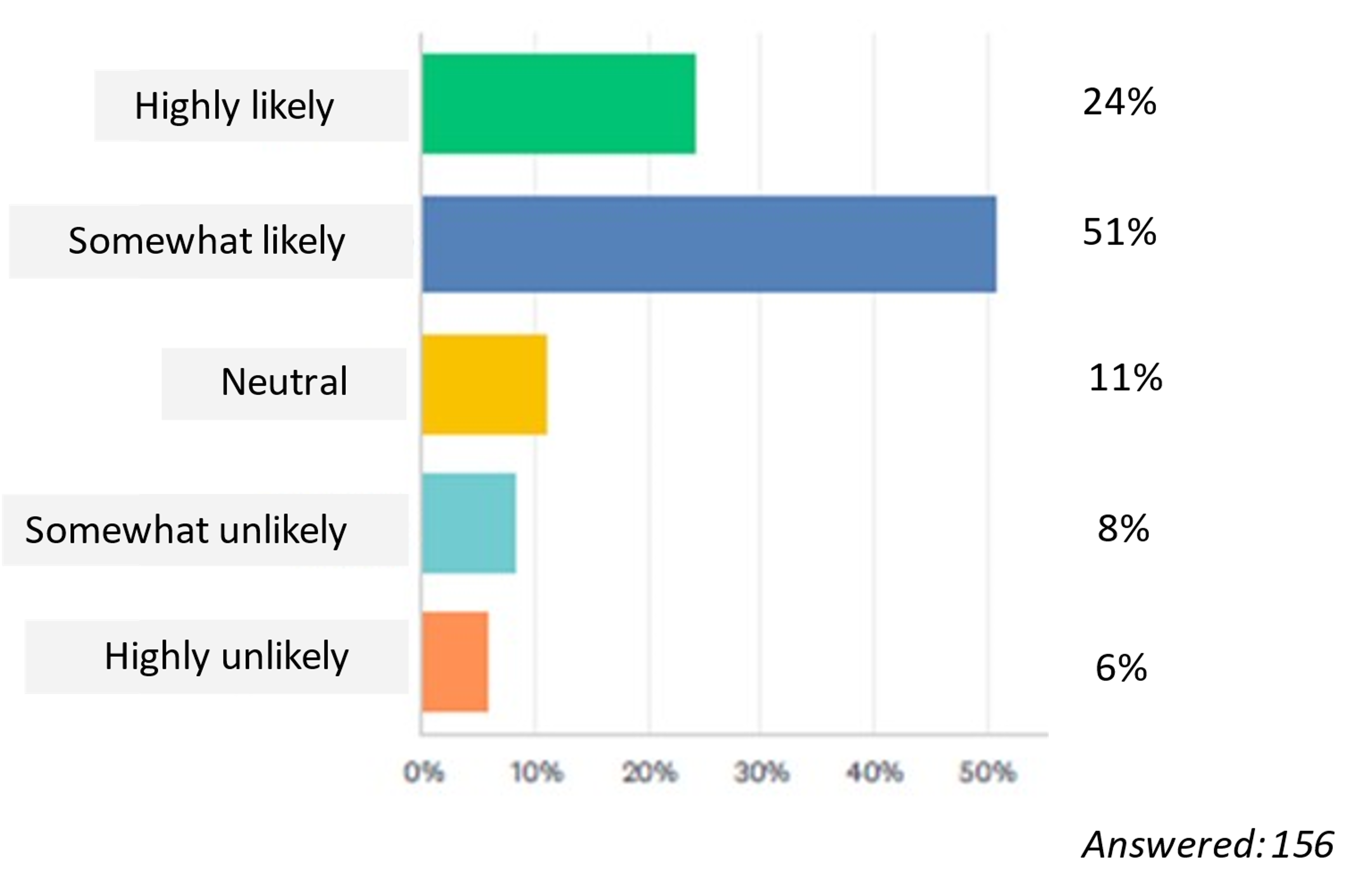
  • 59% of respondents indicated they were somewhat or highly likely to be encouraged to join an outdoor club and possibly participate in leadership roles if it had an exciting, dynamic and ‘cool’ image.
  • The qualitative comments reflected a range of views but highlighted the importance of multiple issues in attracting younger members into clubs.
  1. Measures to address the issue

A number of measures are proposed to help address the issue of declining membership of young people in NSW and ACT bushwalking clubs; 

(i) Rebranding to improve image of Bushwalking Clubs

The YPIC Working Group believes that bushwalking and bushwalking clubs appear to have somewhat of an image problem within the broader community, especially by younger people. Regrettably it seems our clubs are increasingly being viewed as fairly staid environments predominated by retirees.  They appear to lack a sense of excitement, dynamism and adventure that young people (and the young at heart) may be seeking.

Additionally, many of our bushwalking clubs engage in outdoor adventure activities other than bushwalking, but this is often not clearly evident from our names and websites.  We need to make it clear that we are about ‘outdoor adventure’, with bushwalking (or hiking), being supplemented with a range of other adventure activities such as cycling, kayaking, canyoning and more.

The YPIC Working Group believes a rebranding is necessary, for both Bushwalking NSW and many individual member clubs.

  1. Renaming

We advocate for the addition of new terms such as ‘outdoor adventure’, or merely ‘adventure’, into our names.  Thus, for example, Bushwalking NSW might change to Bushwalking Adventure NSW.  The fictional Highlands Bushwalking Club might change to Highlands Bushwalking Adventure Club.

Such a name change would be consistent with results from the above-mentioned 2023 outdoor adventure terminology survey.

Some people have expressed concern that the term ‘adventure’ implies extreme outdoor pursuits such as rock climbing, zip-lining or parachuting, but we maintain this is not the case.  It is just a term to signify an activity that is out of the ordinary day-to-day predictable routine. Even standard bushwalking may be considered an ‘adventure’.  

Our recommended way forward is for BNSW to conduct a further survey of individual members in the coming year to gain an indication on the level of support for a name change, followed by a formal voting process amongst member clubs.  For the individual member clubs, decisions on renaming and rebranding are entirely at their own discretion.  There should be no pressure or expectation for any name changes for existing clubs. 

  1. Updating of websites

Even if renaming does not occur, the updating of club websites to convey a greater sense of adventure is recommended.  The updated content should showcase the full extent of activities of the club.  Preferably, they should feature images with younger people.

  1. Further comments about club image

We believe that with the right image, younger people may be less concerned about a relatively older age makeup of a club.  When people are fully committed to a cause or endeavour, such as a commitment to conservation, human rights or adventure, they may be less concerned about joining in with older people.  Imagine a young person enthused about going on an Antarctic adventure.  We believe that if the opportunity arose, they would join an Antarctic expedition irrespective of the age of other expedition members.  They are primarily in it for the ‘adventure’ and the age range of the group is almost irrelevant.  A similar principle might apply to our own ‘adventure’ clubs in NSW and ACT. We need to promote this ‘adventure’ minset.

We need to create an environment where younger generations feel excited and proud to be a member of their bushwalking/outdoor adventure club, to literally seek out leadership roles and encourage their friends to do likewise.  The YPIC Working Group is convinced that a change of image through rebranding will create such an environment and gradually bring younger members back to our clubs.


(ii) Enhanced social media presence

An enhanced social media presence, such as on Facebook or Instagram is recommended.  This appears to be an effective way to attract new interest and membership in our clubs, particularly from younger tech savvy people.  Several clubs have reported measurable success in gaining new members, including younger members, through these measures.  

Social media also serves as a communication tool within clubs, through for example the sharing of photos from recent trips, which may appeal to younger generations. 

(iii) Promote benefits of bushwalking clubs

We need to promote the many advantages and benefits of joining bushwalking and outdoor adventure clubs over less formal alternatives such as social media groups.  These include the:

  • safety elements: with skilled and knowledgeable trip leaders and companions in many elements of outdoor adventure including navigation, rope skills, first aid, etc.  Training events on these elements are a usual feature in many of our clubs.  Access to such skills and training is not usual through social media groups like Meetup Groups
  • accident and personal indemnity insurance: with the insurance cover through Bushwalking Australia taken up by most clubs.  There is a high level of coverage against accidents (going beyond what is covered by Medicare) and protection against legal claims made against club and trip leaders.  No such insurance is offered with social media groups or on independent private trips 
  • low costs: the costs of annual membership is typically in the order of $30-100 pp, which represents enormous value for money.  Such costs are very low compared to any commercial based trip which can be $100s for just a single weekend trip
  • ongoing meaningful social connections: the structure of an established club provides a stable environment for the formation of long-lasting connections and friendships.    
  • The role of bushwalking clubs in conservation and environmental protection may appeal to many young people.

(iv) Welcoming club policies

Recent feedback to the YPIC Working Group has emphasised the need for club policies that are welcoming and suitable for younger people.  These include:

  • trip programs and schedules that ensure sufficient weekend activities, as weekday trips usually cannot be attended by young working people
  • offering a range of activities that include some more challenging trips to appeal to young and adventurous types.
  • friendly and welcoming attitudes by all members to young newcomers into the club 
  • offering mentoring services to help train and guide younger members
  • inclusion of social functions that might appeal to young and single members
  • inclusion of child friendly trips to encourage young families
  • offer reduced or flexible membership fees and/or other financial incentives to the young.

(v) Facilitate subgroups that primarily cater for younger age members

A successful example of this strategy is demonstrated by Sydney Bush Walkers, who have a created a subgroup called the ‘SBW Tiggers’.  This is an informal group of younger members in their 20s and 30s, who are invited to participate in bushwalks and social activities for that subgroup alone.  They are also encouraged to integrate into the full Club program.  The name comes from ‘The Tigers’, a group of tough resilient walkers who pioneered many challenging bushwalking routes in NSW in the 1930s.

Such a model could be adopted by other clubs to help attract younger members.  Once a core of young people forms, others may be inclined to come on board as well.

  1. Conclusion

The YPIC Working Group have outlined a number of strategies to help address the decline of youth membership and progressive aging of bushwalking clubs in NSW and the ACT.  A listing of other suggestions made by others are provided in the accompanying appendices. 

We believe that the greatest success will be achieved by pursuing all these strategies in combination.  Applying some measures in isolation is unlikely to achieve the success we need.  It is hoped that implementing these measures will help ensure the ongoing viability of our valuable bushwalking/outdoor adventure clubs in NSW and the ACT.  

  1. References

Australian Sports Commission (2023), AusPlay results, National Sport and Physical Activity Participation Report 2022-23, including bushwalking specific data 

BNSW (2019), Survey of BNSW member clubs on YPIC issue (unpublished), (see summary of results in Appendix A)

BNSW (2024), BNSW outdoor adventure terminology survey 2023 results  

Edwards, Darren (2024) (unpublished), Strategy for Bushwalking Clubs to Attract New and Younger Members,   Trail Hiking Australia, June 2024 (see Appendix B)

Gray, Jon (2023), Opinion piece: our bushwalking movement needs a change of image (Jon Gray, Chair, BNSW Young People in Clubs, YPIC) 

Gray, Jon (2024), A name change and rebrand for Bushwalking NSW?   (Jon Gray, Chair, BNSW Young People in Clubs, YPIC) 

Nolan, Brooke (2023). An Age Old Problem, Can bushwalking clubs attract a new generation of adventurers? Wild magazine 190, Summer 2023, pp 44-46. (see extract in Appendix C)

Trewren, Ben (2019), Youth and Young Adult Engagement in Bushwalking Clubs, a presentation to Bushwalking Australia face-to-face conference for Walking SA, 2018, reproduced on BNSW website 2019 (see Appendix D)

Appendix A:

Survey of BNSW member clubs on YPIC issue, 2019 : summary (unpublished)

Compiled from 20 responses representing 13 different clubs


Reasons for wanting to attract people under 30

  1. Ensure club has a future, young people represent renewal, bushwalkers coming up the ranks, life of club depends on younger members
  2. Help societal levels of boredom/ mental health/ isolation 
  3. Get the young enthusiastic about nature and our care of it.
  4. Enjoy the varying energies and conversations that the varying age ranges allow for.


What do you think needs to change to attract <30s?

  1. Better marketing of bushwalking to young people; mobile friendly access to website;  immediate access to walks program; deliver program in a way that appeals.
  2. Promote benefits offered by a club 
  3. Other young people; to provide younger role models
  4. Older Club members need to be more pro-active in personally inviting known/likely younger people
  5. Have enough engaging activity; more grade 4+ walks; offer other activities, eg, canyoning, abseiling
  6. Leaders focused on needs of young people
  7. Targeted activities; provide dedicated comms and social activities for members under 40 yrs, and maybe also under 30 yrs 
  8. Others: Child protection processes, offer parent and child walks, facilitate easier access to and from walks

Appendix B:


Strategy for Bushwalking Clubs to Attract New and Younger Members 


(unpublished)  


Darren Edwards, Founder, Trail Hiking Australia, June 2024 


Introduction: 


Bushwalking clubs recognise the need to adapt and attract new, younger members in a digital age with platforms like Meetup offering a different experience. This strategy outlines a multi-pronged approach to address this challenge. 


Understanding the Problem: 


  • Growth of unregulated hiking groups on platforms like Meetup. 
  • Perception of Bushwalking Clubs as old-fashioned, too regulated, and catering to a specific demographic. 
  • Lack of beginner-friendly options and perceived difficulty of hikes. 
  • Younger audiences might simply not be aware of bushwalking clubs or the benefits they offer. 
  • Need for a more engaging and social experience for younger audiences. 


Proposed Actions: 


  1. Modernise the Brand Image and Online Presence: 


  • Develop a User-Friendly Website: Allow for easy trip exploration, booking, and communication with club leaders. Ensure the website is mobile-responsive, as many younger users prefer accessing information via their smartphones. 
  • Increase Social Media Engagement: Create engaging content showcasing the beauty of bushwalking, diverse hikes, and the social aspects of clubs. Leverage Instagram, TikTok, and YouTube for visual content. Collaborate with influencers who resonate with your target demographic. Regularly update social media content to keep it fresh and engaging. 
  • Rebrand with a Modern Logo and Messaging: Maintain the core values of the club while presenting a more contemporary and inclusive image. Incorporate feedback from potential younger members during the rebranding process to ensure the new image aligns with their preferences. 


  1. Enhance Accessibility and Cater to All Levels: 


  • Promote the Hike Grading System: Categorise hikes by difficulty and experience level, making it easier for newcomers to find suitable options. Use clear, standardised icons and descriptions for the hike grading system to avoid confusion. 
  • Develop a Beginner-Friendly Program: Offer introductory courses on bushwalking basics, safety, and navigation. Consider offering virtual workshops or webinars as an introduction to bushwalking basics, which can then transition into practical, on-site events. • Promote “Come and Try” Events: Organise free introductory hikes with experienced leaders. Promote these events heavily through social media and local community boards to reach a broader audience. Offer family-friendly activities to attract younger members with children. 


  1. Foster a Strong Community and Social Experience: 


  • Organise Social Events: Host pub nights, movie screenings, or skills workshops to build camaraderie beyond hikes. Partner with local businesses or popular venues for social events to increase visibility and attract non-members. 
  • Develop a Mentorship Program: Pair experienced walkers with beginners for guidance and support. Highlight success stories from the mentorship program on social media to encourage participation. 
  • Showcase the Social Aspect: Use photos and videos on social media to highlight the fun and community spirit of club hikes. Create a dedicated section on the website for user-generated content, where members can share their experiences and stories. 
  • Diverse, Safe, and Inclusive Atmosphere: Bushwalking clubs are open to everyone and create a welcoming environment that fosters a sense of community and support for all members. Regardless of age, background, or experience level, you’ll find a safe and inclusive space to connect with fellow hikers who share your passion for the outdoors. The emphasis is on enjoying the adventure together, supporting each other’s growth, and creating lasting memories. 
  • Highlight the “Families Welcome” Aspect: Clearly emphasise that families are welcome on hikes. Showcase pictures and stories of families enjoying club activities in your communication materials. 
  • Attract Diverse Interests: Consider organising themed hikes (e.g., photography hikes, nature conservation hikes) to attract diverse interests. 


  1. Leverage Technology: 


  • Statewide Meetup Group: Create a single, overarching Meetup group for your state. This allows all bushwalking clubs within the network to host hikes, leveraging the Meetup platform’s wide reach to attract new members. However, this approach may have less local focus and may not showcase the unique offerings of individual clubs. 
  • Club-Specific Meetup Groups: Each bushwalking club can create its own Meetup group to host hikes. This allows for a more targeted approach, highlighting the club’s specific hikes and local knowledge. The drawback is that it requires individual management by each club and may have a smaller initial reach. 


  • Statewide Meetup Group vs. Club-Specific Groups: Consider a hybrid approach. Maintain a statewide presence for broader reach while allowing individual clubs to retain their local identity and offerings. 
  • Offer Online Resources: Create a library of educational resources like bushwalking guides, safety tips, and trip reports. Regularly update the resource library with new content and consider creating a blog or vlog series featuring expert advice and member experiences. 


  1. Promote the Value Proposition of Bushwalking Clubs: 


  • Highlight Safety and Expertise: Emphasise the benefit of experienced leaders and insurance compared to unregulated groups such as Meetup. Share testimonials and case studies that illustrate the benefits of guided hikes and the club’s expertise. Share testimonials and stories from younger members to make the message more relatable. Highlight unique adventures or expeditions that are exclusive to club members.  
  • Experienced Leaders: Experienced leaders ensure a safe and enjoyable experience for all on every hike. They possess a deep knowledge of the trails, can assess potential risks, and are equipped to handle emergencies. 
  • First-Aid and Emergency Response Training: All leaders undergo rigorous training in first aid and emergency response procedures, providing an extra layer of security for everyone on the hike. 
  • Risk Management Procedures: Bushwalking clubs have established risk management procedures to assess hike difficulty, weather conditions, and ensure proper preparation for each trip. This minimises potential hazards and creates a safer environment for all participants. 
  • Skill-Building Workshops: Many clubs offer optional skill-building workshops on topics like navigation, first-aid, and safety. These workshops empower members with valuable skills, boost confidence, and enhance the overall enjoyment of hikes. 


  • Focus on Environmental Stewardship: Promote the role of bushwalking clubs in responsible outdoor recreation and conservation. Highlight specific conservation projects and partnerships with environmental organisations to demonstrate the club’s commitment. 
  • Showcase Unique Experiences: Highlight the curated hikes, diverse locations, and sense of community offered by your club. Offer exclusive events or hikes that are only available to club members, creating a sense of exclusivity and added value. 
  • Physical and Mental Wellbeing: Promote the health advantages of bushwalking, including stress reduction, improved cardiovascular health, and increased strength and endurance. Bushwalking is a fantastic way to connect with nature and improve your overall well-being. Share scientific studies and expert opinions on the health benefits of bushwalking to reinforce this message. 


  1. Continuous Improvement and Feedback:


  • Conduct Regular Member Surveys: Gather feedback on club offerings and preferences of younger demographics. Ensure surveys are short and user-friendly to encourage higher response rates. Use tools like Google Forms or SurveyMonkey for easy distribution and analysis. Regularly publish the findings from surveys and the actions taken based on feedback to demonstrate responsiveness. Create focus groups with younger members to gather more detailed insights. 
  • Monitor Social Media Trends: Identify what resonates with younger audiences and adapt communication strategies. Use social media listening tools to track trends and sentiment analysis. 
  • Track and Analyse Engagement Data: Measure the effectiveness of marketing efforts and online presence. Implement Google Analytics or similar tools to measure website and social media performance, adjusting strategies based on data insights. 


  1. Addressing Time Constraints: 


You can’t replace experienced leaders, but you can acknowledge the time constraints and preferences of younger demographics. By offering a variety of options and creating a welcoming environment, bushwalking clubs can demonstrate their value proposition to a wider audience. 

  • Shorter, Time-Efficient Hikes: Offer a range of walks with varying durations, catering to busy schedules. Include options for after-work evening hikes or shorter weekend excursions. 
  • Focus on Accessibility: Promote walks closer to urban areas or easily accessible by public transport. This reduces travel time and makes participation more convenient. 
  • Family-Friendly Events: Organize walks specifically designed for families with children. These can be shorter distances with engaging activities for kids along the way. 


  1. Catering to Different Preferences: 


  • One-off Events and Weekend Getaways: Alongside regular club activities, offer standalone events like guided day hikes or weekend camping trips. This caters to those who prefer occasional participation. 
  • Solo Bushwalking: Acknowledge that some people prefer solo adventures. Offer resources and safety tips for independent bushwalking within the club’s area of expertise. 


  1. Addressing Concerns about Club Structure:


  • Intergenerational Appeal: Reiterate the club’s welcoming nature for all ages. Showcase the benefits of a multi-generational experience, where younger members can learn from experienced hikers and vice versa. 
  • Flexible Membership Options: Consider offering tiered memberships or trial periods to reduce commitment. This allows people to try bushwalking with the club before committing to a full membership. 
  • Weekend and After-Work Walks: Schedule hikes on weekends and evenings to cater to working professionals and families. 


  1. Additional Considerations: 


  • Diversity and Inclusion: Promote diversity within the club by showcasing a variety of members from different backgrounds and creating an inclusive environment. 
  • Partnerships and Collaborations: Form partnerships with local schools, universities, and youth organisations to introduce bushwalking to younger audiences. 
  • Flexible Membership Options: Offer trial memberships to give potential members a taste of what the club offers without a long-term commitment. Offer flexible membership plans, such as monthly or quarterly memberships, to lower the barrier for entry (if there is one). 


Conclusion: 


By implementing these strategies, Bushwalking Clubs can create a more modern, accessible, and engaging experience, attracting younger demographics and fostering a love for the outdoors. This comprehensive approach will showcase the unique value proposition of bushwalking clubs, emphasizing adventure, personal growth, and a strong sense of community. By continuously gathering feedback and adapting strategies, bushwalking clubs can ensure they remain thriving organizations for future generations. 


I do hope this strategy is beneficial and welcome any feedback or discussion. 


Darren Edwards 

Founder, Trail Hiking Australia, 

+61 408 006 430,

explore@trailhiking.com.au; www.trailhiking.com.au

Appendix C:

Extract from Wild magazine article, 2023

An Age Old Problem: Can bushwalking clubs attract a new generation of adventurers?

Brooke Nolan, Wild magazine 190, Summer 2023, pp 44-46.


While bushwalking clubs definitely face challenges in attracting a younger generation, there are clear opportunities for revitalisation and growth. It might not be easy but by

  • rebranding, 
  • embracing social media and 
  • showcasing the unique benefits of joining a club, 

hopefully clubs can continue to attract new members, ensuring their long-term viability and, above all, inspiring a new generation to enjoy the outdoors with respect.

Additional strategies to attract younger members:

  • Hold events aimed specifically at younger members
  • Include harder/more obscure trips that people can’t easily access without a club
  • Think about adding kid-friendly hikes for young families
  • Promote training like canyoning skills and navigation to show value
  • Promote carefully via social media
  • Ensure your club’s website has imagery of young people engaging in activities
  • Try traditional advertising like flyers and posters in places young people go.


Appendix D:


Youth and Young Adult Engagement in Bushwalking Clubs 


https://www.bushwalkingnsw.org.au/youth-young-adult-engagement/   Ben Trewren, April 2019


Ben Trewren attended the 2018 Bushwalking Australia Face-to-face conference for Walking SA and shared his thoughts on Youth & Youth Adult Engagement in clubs and outdoor adventure groups:


G’day all,


I was really encouraged by your recognition of and enthusiasm towards engaging young people within your states, so I have put some thought to some engagement ideas that you may wish to pursue.


To begin with, I think the challenge needs to be tackled by asking some key questions of your [clubs and] groups.


Is there actually an identified ‘young person’ problem? If so, what does this look like? (Remember, this is your problem, not theirs).

Are current members ready to engage with young people? (Doesn’t need to be a shift in your identity, but it does likely require a shift in attitude and/or culture).

Do young people wish to engage with your club/group? If yes – can you determine the barriers? If no – why not?

What is the incentive? What can you offer to a young person that others can’t? (You DO have a lot to offer!)


To help work through these questions, here are some ideas/strategies you might consider:


When it comes to implementing strategies as I discuss below… please don’t look to do what you think is best. Collaborate with young people on what IS best!


Keep in mind also, that engaging young people may take more give, than take (especially to begin with) – but in the long run, it can absolutely be worth it. Young people today may be different to you when you were their age, but they still have as much potential, value and ambition as you did/do!


Here we go:

  • Access to [Walks]/Hikes

Provide them with hike options to get them walking in their own time – an initial point of engagement. Ensure they are easy to understand and use (consider GPX files). I think we do this incredibly well at Walking SA through our website.

  • Duke of Edinburgh

Have members train and register as Duke of Ed Award Leaders, then offer to assess young people completing the award. I know in SA, there is a shortage of Award Leaders. I’ve trained as one – it’s not hard, an online course.

  • Subject Matter Experts

Offer your skill and experience to verify/assess a young persons ‘outdoor education’ learning – this can apply to high school students, TAFE students and uni students.

  • Diversity of Options

Offer a range of group hikes that are maybe more appealing within their ‘lifestyle’ – early morning, night hikes, school/uni holidays etc.

  • Networking

Looking beyond the outdoor recreational benefits. Many young people are looking for employment opportunities and maybe people in your clubs can offer this beyond the bushwalking experiences.

  • Mentoring

See bushwalking as more than just a recreational activity. It’s a chance for a young person to work on their wellbeing and mental health with the support (mentorship) of an older, experienced, patient and wiser person. A chance to have time and space to think, talk through challenges, breath in fresh air, de-stress… whatever it might be for them. This may not require a specific ‘program’, but just a consideration to the fact that a young person may get a different outcome from an experience to what you might typically consider. I have so many thoughts on this one because of my own experience.

  • ‘Discount’ Incentives

Young people will typically be students, apprentices, trainees or on crap money. Any opportunity to reduce their financial burden will help. Discounts with retailers, concessions on membership fees, free entry to events/activities. The tight nature of their spending won’t last forever, but can be a great offset to begin with.

  • Leverage Relationships

Get involved with outdoor educators, Scouts groups and similar and piggy back of the introductory work they are already doing to introduce young people to outdoor recreation. Otherwise, you risk them becoming absorbed in mainstream sport (or no physical activity). Outdoor recreation has so many benefits on mainstream sports, the sell is easy (there was only so many Saturday’s I could handle being wasted away after being cleaned up for a duck). It’s making the connection between what their school (or similar) offers them for a week or two and the ongoing opportunity that is the challenge.

  • Up-skill/Formal Education

Seek opportunities to partner with local training bodies (RTOs or similar) and see if they’ll incorporate part of their course into your groups activities. For example, a learner has to lead one of your walks which can then be recorded in their training log.

  • Tech Engagement

Consider introducing more ’tech’ into your activities that would appeal. Thinking GPX files, Geocaching, Strava, Radio Communications etc.

  • Content

Let’s not rule out the appeal of young people keen to capture the ‘money shot’, write about their experiences on their blog, put together an adventurous clip from their GoPro or similar. If you can provide and facilitate opportunities to do this, it can then come full circle and benefit you. You may have just engaged your next marketing and communications person to take care of your website and social media. Who knows…?

  • Gear

Two thoughts on this one – the first one is the young people like me who froth on gear. Think ‘Geardos’. Provide opportunities for people to play with different types of gear, explore what’s new in the market, and share what the good ol’ days were like (before everything in a kit was made of titanium). The second one is to appeal to the reuse/recycle types. Consider gear swap nights, share information about ethical products and purchasing etc. Patagonia and North Face are two of many brands doing lots in this space.


I hope this has been of some help or inspiration (and these points can apply to all outdoor recreation including sea kayaking, not just bushwalking). Young people are just incredible (they always have been).


On reflection, I would love to help you and your state body, clubs, groups etc work through these present challenges, because I’m excited to think about the potential for when we can engage them. So please let me know if there is anything I can do.


To conclude, I’ll leave you with some words from Patagonia founder, Yvon Chouinard – “The word adventure has gotten overused. For me, when everything goes wrong – that’s when adventure starts”.


Guest Blogger: Ben Trewren,  Join Ben on his Churchill Fellowship travels for outdoor adventure: https://www.bentrewren.com/ (link now broken)

Remote Area First Aid Course – South Coast Bushwalking Club

Remote Area First Aid Course – South Coast Bushwalking Club

South Coast Bushwalking Club are organising a Remote Area First Aid Course which will be run by Highlands First Aid.

It will be held on Saturday 10 and Sunday 11 August, 2024 in Austinmer (northern suburbs of Wollongong) from 8:30am to 4:30pm (please arrive 8:15am on the first day).

The course will be run by Highlands First Aid. Please register and pay the full cost of the course ($245) to Highlands First Aid here.

HLTAID013 – Provide First Aid in remote or isolated site

The cost of the hall is $24 per person ( payable to SCBW – bank details will be provided).

You will need to bring lunch and snacks for both days (there are kitchen facilities available).

There is an option to sleep overnight at the hall for anyone travelling long distances.

Wear comfortable clothes that are suitable for practical first aid.

For more information contact Belinda at South Coast Bushwalking Club by email – scbw.trainingoffficer@gmail.com


New Bushwalkers War Memorial

There is a new memorial on the official register of NSW war memorials.

How big should a war memorial be and how many fallen service personnel should it represent?  Say, over 100,000 from all wars Australians have been involved in as in the Australian War Memorial, Canberra.

Or should we just remember the part played by the fallen from NSW as in the Hyde Park War Memorial?

What about your local RSL or town.  Not as big and not as many fallen personnel.  But then just thirteen (13) fallen bushwalkers are remembered at an official war memorial of NSW called Splendour Rock.  The view is outstanding, but the plaque is barely bigger than a sheet of paper (it did have to be carried out there.)

Should the sacrifice of just one fallen soldier be remembered as on the Central Coast of NSW?  The same bushwalkers who though that Splendour Rock was a good idea to remember thirteen fallen bushwalkers from what is now Bushwalking NSW also though that one bushwalker deserved a special mention above Maitland Bay.

In 1932 the NSW Federation of Bushwalking Clubs (now BNSW) was setup as part of the campaign to save Blue Gum Forest in the Grose Valley from the axe.  In 1939 its Honorary Secretary was Charles D’Arcy Roberts of Coast and Mountain Walkers (CMW) who also was performing another role.  As a Solicitor he is remembered as a very effective Honorary Secretary for “Federation”.  Marie Byles who helped establish the Bush Club with Paddy Pallin was at the forefront of other bushwalkers to help protect Bouddi “Natural” (now National) Park with its glorious Maitland Bay.

Before enlisting in 1939 in the 2nd AIF (the Australian Army of WWII) Charles D’Arcy Roberts was a “Trustee” for Bouddi Natural Park.  Unfortunately, his part of the 2nd AIF was sent to Singapore where he survived the fighting but died in captivity as a Prisoner of War.

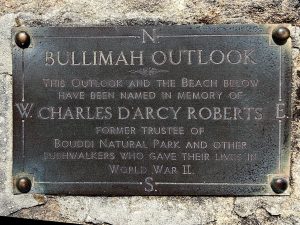
On 28th, 29th and 30th May in 1948 (just after the ANZAC Day Dedication of Splendour Rock) there was a “Federation” working bee at Bouddi Natural Park before a 2.30pm dedication of a small memorial at Bullimah Outlook to Charles D’Arcy Roberts.

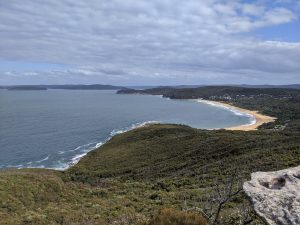
This memorial is far easier to get to than Splendour Rock.  In a return trip of under two hours you need to start down the track to Maitland Bay from the Bouddi National Park Visitor Centre.  Eventually, there will be a turnoff to the right to “Bullimah Spur”.  Follow it right to a spectacular view southward towards Sydney and Broken Bay with Lion Island and the memorial to Charles D’Arcy Roberts.

Bullimah Outlook is now on the official register of NSW War Memorials.  You can see my nomination at –

https://www.warmemorialsregister.nsw.gov.au/memorials/bullimah-outlook

Keith Maxwell.

Honorary Historian BNSW.

See photos below with permission from www.twominutepostcards.com

Plaque to Charles D’Arcy Roberts at Bullimah Outlook

View south from Bullimah Outlook

2024 Bushwalking NSW Photo Competition

2024 Bushwalking NSW Photo Competition (Edited)


Congratulations to our 2024 Winners:

Thank you to everyone who entered the 2024 BNSW Photo Competition. It was so hard to judge as all of your images were so incredibly good! A big thank you to our amazing sponsor Paddy Pallin for the wonderful prizes!

Congratulations to our winners:

Edna Frougas (1st) – Sphinx Rock Cliff

Laurence Outim (2nd) – Walking as a Team, Cascade Trail, Kosciuszko NP

Rhonda Vile (3rd) – We all love a bushwalk, Galore Hill NR

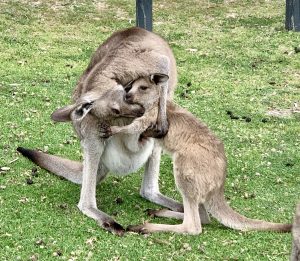
Robyn Christie (honorable mention) – Mothers Love, Murramarang NP

Competition Details (closed now):

Show us your best shots!

Do you take beautiful photos of people and scenery in the bush?

We want to share them with the world!

Image: Sunset from Mt Townsend, Robert Croll


Enter our competition to be in the running to win over $230 of great Paddy Pallin prizes! See your photos featured in our newsletters and on our website!

Share your NSW/ACT photos of bushwalkers or wildlife in nature or a national park scene.

Please share your photos in these categories:

  • People bushwalking as team enjoying nature in NSW/ACT
  • NSW/ACT national park scene
  • NSW/ACT wildlife

Simply email your images or a public link to your photos (eg google drive, dropbox or photo share apps) to Bushwalking NSW here.

The Competition closed on 31 August 2024.


Great Paddy Pallin gear to be won!

Smartwool patch beanie
Gear aid hybrid gear clip
Arcade performance stretch belt
Ultralight dry sack 20L
Nalgene glow in the dark bottle
Nalgene wide mouth bottle 32oz


A name change and rebrand for Bushwalking NSW?

A name change and rebrand for Bushwalking NSW?

By Jon Gray, Bushwalking NSW Vice President and Young People in Clubs (YPIC) Working Group.

I believe BNSW and bushwalking clubs in Australia need a change in name and a rebrand to remain strong and relevant into the future.

It is evident that most clubs in NSW and the ACT are not attracting younger members. This raises concerns regarding the long-term viability of our clubs and indeed the whole bushwalking club movement in our State and Territory. I am convinced a significant change is required; we need to ‘turn the ship around’.

As already expressed in a previous Opinion Piece, I believe the crux of our problem lies in the regrettably less-than-exciting image of bushwalking clubs. Our clubs are not widely perceived as exciting and cool, but regrettably as rather staid and boring, and increasingly, full of retirees (like me!). We need a subtle change of image, a rebrand, to help inspire and attract a younger cohort into our clubs, to re-energise our whole movement.

The need for a change in our names and terminology was also supported by results from the recent BNSW Outdoor adventure terminology survey. The survey, with over 170 respondents mostly from BNSW member clubs, revealed that 50% of respondents gave their first preference to hypothetical club names that included the term ‘Outdoor Adventure’, whilst only 8% gave their first preference to a club name with the sole term ‘Bushwalking’. A substantial majority of 83% agreed that a club name should include more than just ‘Bushwalking’ if other activities were also undertaken by the club (Figure 1).

As a key step in this rebranding process, I am advocating for the simple addition of a new term such as ‘Outdoor Adventure’ or merely just ‘Adventure’ into our names. Thus, for example, Bushwalking NSW might change to Bushwalking Adventure NSW. The fictional Highlands Bushwalking Club might change to Highlands Bushwalking Adventure Club.

I am convinced that such a relatively simple change would go a long way towards improving our brand and image, and reverse the aging and decline in our movement. Other measures will also be important in conjunction with the rebrand, such as enhancing social media presence, promoting the benefits of joining formal clubs and adopting welcoming measures for younger people.

BNSW expects to further explore opinions and avenues for a potential name change and rebrand during the 2024/2025 year.

Please consider this issue, and whether you support exploration of a possible simple name change and rebranding for Bushwalking NSW, and also for your own club. Please let BNSW know your thoughts by responding through the email below.

Jon Gray
Bushwalking NSW Vice President and Young People in Clubs (YPIC) Working Group.
Email: youngpeopleinclubs@bushwalkingnsw.org.au


Splendour Rock – another name

No, its not a fallen bushwalker overlooked just after WWII but one of a remarkable group of Australians that should be better known.

All overnight bushwalkers should camp at least once on top of dry Mt Dingo (in the Wild Dogs of the Megalong Valley) near its southern end on 24 April for an early start.  From around 5.30am onwards they will hear the tramp of feet as bushwalkers gather for the 6am Dawn Service at Splendour Rock.

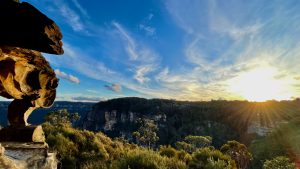
Splendour Rock was a special place even before it was dedicated as a bushwalkers war memorial on ANZAC Day 1948.  The plaque is on a small rock island in what surely must be a bushwalkers cathedral.  There is no stained-glass window but an amazing view of the southern Blue Mountains.  Mountains just disappear into the distance bounded in the east by King’s Tableland and to the west by Kanangra Walls and the High Gangerangs of Mt Cloudmaker.

In a moving but simple service thirteen (13) bushwalkers who died on active service in WWII are remembered.  With luck you will greeted by an amazing sunrise as the red dawn spreads out from King’s Tableland.

In February 2023 Michael Keats and I released a book “Splendour Rock – A Bushwalkers War Memorial” that documents these bushwalkers but also four other plaques at Splendour Rock available through www.bushexplorers.com.au

The History pages of Bushwalking NSW holds a page on Splendour Rock where you will find answers to obvious questions such as who were the fallen plus some details on the other four plaques in the immediate area.

But who were the bushwalkers who served and returned from WWII?  I am quietly pleased to have prepared a list for the book from available resources of 191 bushwalkers (including the thirteen fallen) since I could not find a list.
One name appeared frequently in a major resource as a POW correspondent – Bill Cawood.  Each month during WWII in the Sydney Bush Walker magazine there was a section “Letters from the Lads and Lasses” where young men and women in uniform from any bushwalking club were listed.

Now, I often read books about the edges of WWII such as a recent library loan of how the French hid the Mona Lisa and other art works from the Nazis who were known art thieves.  Or a book about the 2/5 AGH – “Proudly We Served”.  An essential part of an army must a hospital based close to the front line such as an Australian General Hospital – AGH.

One group of remarkable unarmed Australian servicemen accepted becoming POWs.  A desperate attempt to slow the German Army in Greece and Crete led to evacuation under fire via warship.  The female nursing staff of the 2/5 AGH were evacuated while a core of doctors and support staff stayed behind to care for injured Australian servicemen.  Their story is one of survival as they moved from prison camp to prison camp as they continued to care for those around them with limited bandages etc.  Later, it was desperate times as all sorts of starving people were on the move in various directions as armies closed in on a war-torn Germany during winter of 1945.  During this time the 2/5 AGH continued to assist those around them.

Previously I have never seen a bushwalker mentioned by name in a book unrelated to bushwalking but one man of this remarkable group of medical staff, is mentioned by name – Bill Cawood.  Thus, Sydney Bush Walkers should be very proud of an Australian who served in WWII with great distinction as an unarmed serviceman.

Hence when you reflect at Splendour Rock on the thirteen bushwalkers who did not return from WWII also remember an unarmed bushwalker who showed great care for his mates and others around him – Bill Cawood.

Keith Maxwell.

The Splendour Rock plaque from 1948.

Results – BNSW outdoor adventure terminology survey

Thank you to Paddy Pallin and Wild Magazine for providing great prizes!

By Jon Grey, BNSW Young People in Clubs Working Group, youngpeopleinclubs@bushwalkingnsw.org.au

The Terminology Survey aimed to examine people’s opinions and perceptions about the terminology currently used to describe bushwalking, related activities and associated clubs. It was exploring a proposition that naming and terminology used in conjunction with bushwalking clubs may influence the level of interest and desire to participate in our clubs, particularly from younger people.

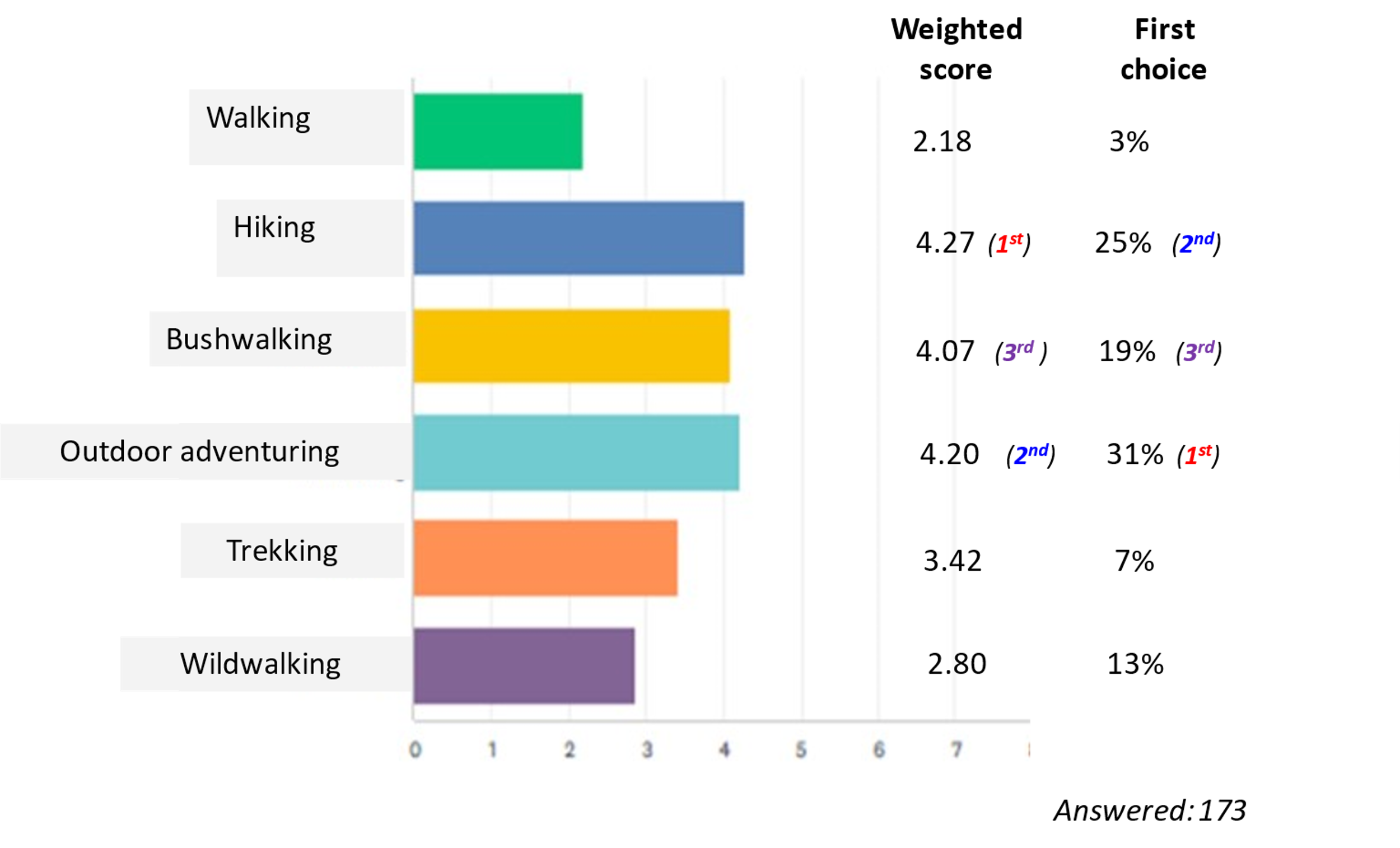
The survey was open for the 4-month period to the end of January 2024, and had a total of 173 respondents. The key findings are summarised below, followed by a graphical presentation of the results.

Q1. Please rank the following terms from the most to least inspiring and ‘cool.

The three most popular terms were 1. outdoor adventuring; 2. Hiking; then 3. bushwalking, followed by wildwalking, trekking and walking. The precise ordering varied depending on the use of either a weighted score or first preference score system.

Q2. Rank the following Club names from most to least inspiring and ‘cool’. Which Club would you be most proud to be a member of?

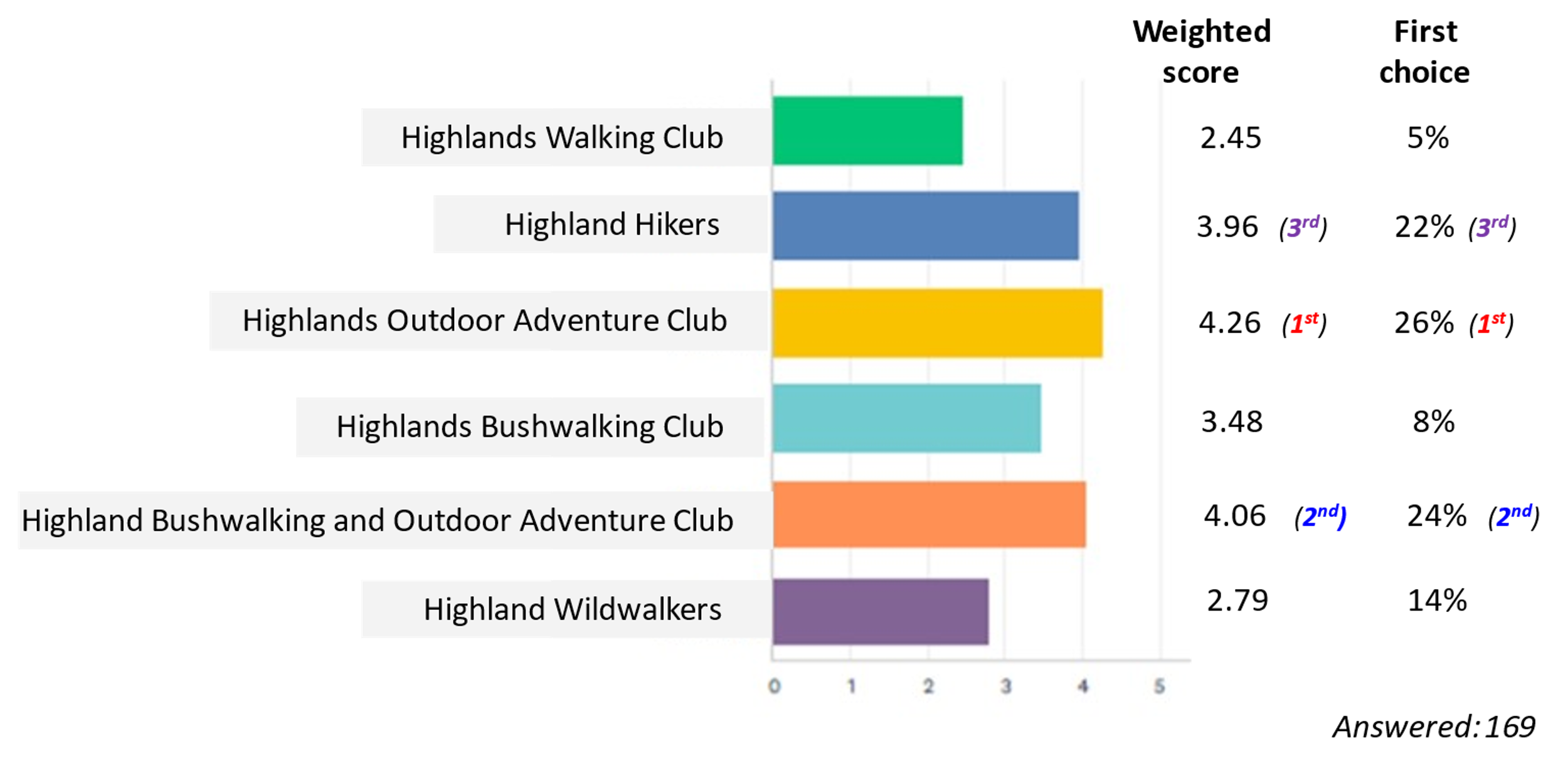
The three most popular names for the fictional bushwalking club were: 1. Highlands Outdoor Adventure Club; 2. Highlands Bushwalking and Outdoor Adventure Club; and 3. Highland Hikers, which were all notably ahead of the Highlands Bushwalking Club. The two club names that contained the term ‘outdoor adventure’ received a combined 50% of first preferences, compared to just 8% for the club with ‘bushwalking’ alone.

Q3. Do you believe a club name should reflect more than bushwalking if other activities (eg, cycling, canyoning or kayaking) are undertaken?

83% of respondents strongly or slightly agreed that the name of a club should include more than bushwalking if other activities such as cycling, canyoning or kayaking were undertaken (including 55% who strongly agreed).

Q4. Would the name of an outdoor club or organisation influence your perception of how exciting, dynamic and ‘cool’ it was?

75% of respondents indicated that it was highly or somewhat likely that their perception of how exciting, dynamic and ‘cool’ a club or organisation was, would be influenced by its name.

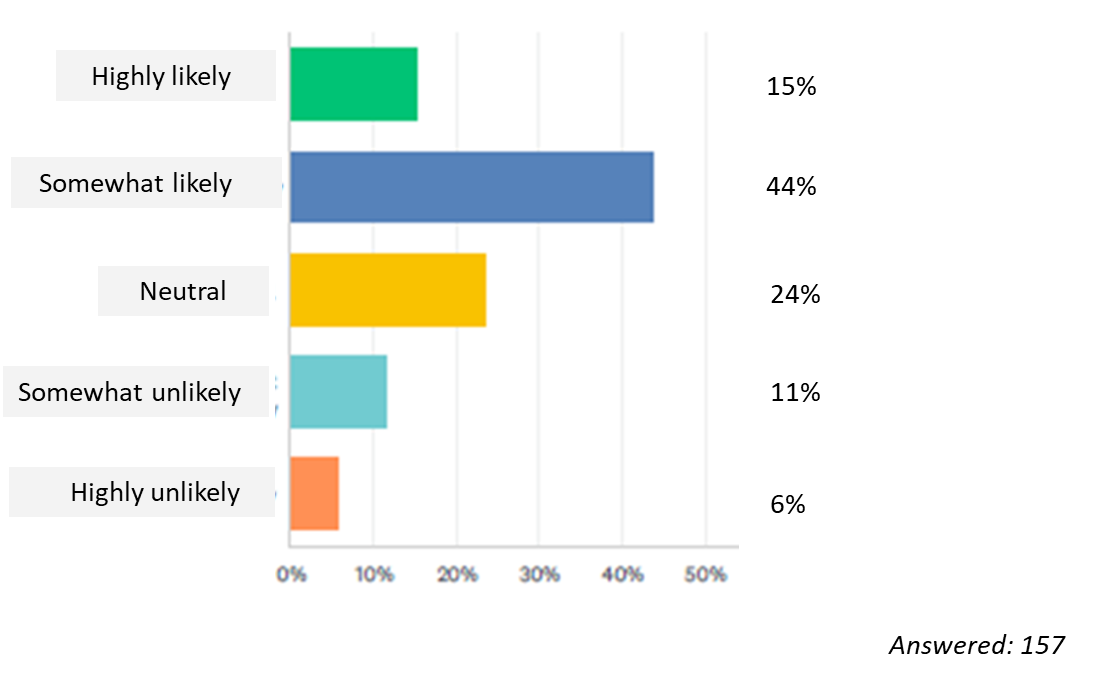
Q5. If an outdoor club had an exciting, dynamic and ‘cool’ image, would this encourage you to join it and possibly participate in leadership roles?

59% of respondents indicated that they were highly or somewhat likely to be encouraged to join an outdoor club and possibly participate in leadership roles if it had an exciting, dynamic and ‘cool’ image.

Q9. Other comments?

Of the 73 specific comments received, there was a wide range of views. 34% supported the importance of terminology, 49% were neutral or raised other issues to consider, and 16% were clearly not supportive of the importance of terminology. The comments emphasised the importance of other issues besides terminology such as the need for a strong social media presence (with images portraying younger generations); a welcoming club culture and varied club programs. 73 respondents made comments, ranging from:

    • Supportive of the importance of terminology: 34%

    e.g. ‘Image can be everything when it comes to membership’;

    Words matter! the name is important’

    • Neutral or raising other issues: 49%

    e.g. ‘I would love to join outdoor clubs but cannot usually see myself in any of the imagery. It is usually people 30+ years older than me’

    • Statements clearly not supportive of importance of terminology: 16%

    e.g. ‘I think terminology is probably much less of an issue than technology and culture of clubs’

Respondent personal data  (total 173)

  • There were no significant differences between responses from the younger to older generations of respondents.

The results of the survey, particularly the hard statistical data, do overall suggest the potential importance of naming and terminology in the bushwalking and outdoor adventure movement for enhancing our image and possibly appealing more to younger generations. There is a strong preference for naming and terminology that includes ‘outdoor adventure’ and for names that indicate more than just ‘bushwalking ‘where other outdoor activities are undertaken. A large proportion of respondents indicated they might consider participating in leadership roles if a club or organisation had an exciting image. The qualitative comments reflected a range of views but highlighted the importance of multiple issues in attracting younger members into clubs.

A conclusion from the results would appear to be that individual clubs should at least consider possible slight renaming and rebranding of their clubs, with an enhanced focus on outdoor adventure activity in addition to bushwalking alone. Such a change, in conjunction with other measures such as enhanced social media presence, welcoming attitudes and promotion of the benefits of joining our clubs, may revitalise our clubs and possibly help attract younger generations.

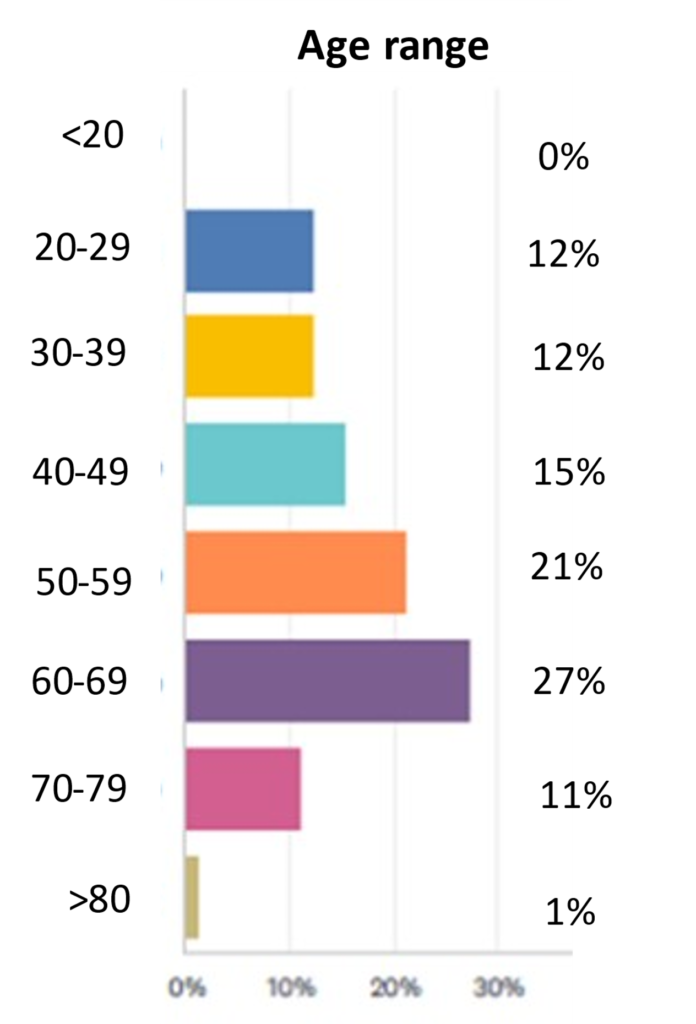
Age Range (Q6):


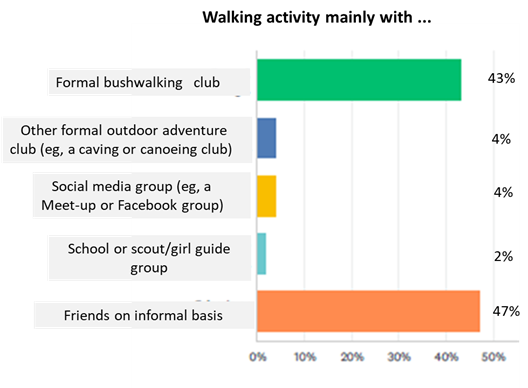
Bushwalking Activity with (Q7):

Jon Grey

BNSW Young People in Clubs Working Group

mailto:youngpeopleinclubs@bushwalkingnsw.org.au


Kelgoola to Widden Valley Walk Via Mt Corigudgy the Hunter Main Trail and Blackwater Creek, Easter 2023

On Friday ‘Good’ there we stood with the Coricudgy in far sight.
With final tweaks to the packs on our backs – a slight heave left & right.
We bid farewell with a nod and a wink, we’ve got this – you’ll see.
We’re off then – our lungs ‘chock-a-block’ – a rhythmic stride us three.
The grade got steeper, our gait shortened up – we’ve now hit reality.
Saplings appeared, undergrowth thickened and fallen trees hindered the ways.
Firm in our mind the known fact – stored water must last two days.
Then out of the bracken a sign post appeared – Coricudgy or Hunter Main Trail
Swift choice, Hunter Main Trail – we’ll walk the planned distance without fail.
But fail we did with the weight of the carry and our bodies seemly weary.
Shoulder to shoulder saplings now rise from a trail – once compacted and dreary.
The wreckage of fires, storms and land slips resulted in trail passage – a farce.
To think one could walk without blundering step – was knowledge that’s simply sparse.
Short of our target with a great threat of rain ‘n’ the wind with a blistering throe.
Rain it did with the push of time, we were sure our tents would go.
The camp was established at an opportune site, sheltered by a Rocky Bluff.
‘Save for’ an anchor to peg rock or tree – proved our tethering was made of good stuff.
With laboured yawn, quick rub of eyes – our bodies still seemingly aching.
The crisp breath of dawn accompanied our yawn to start our bodies a shaking.
The shrill from the dawn bird gave call to rise and welcome a brand new day.
We crawl from tents onto wet sodden ground, muttering ‘four letter words’ on the way.
Oh Saturday’s rise to bitter blue skies and rain mist that’s already proved dreary.
We stretched and nodded with circular gaze and cursed like Farther O’Leary.
We scoffed some breakfast we stuffed soggy packs, at last we’re ready to ‘roll’.
But delay to the start further stifled our heart and surely did sodden our soul.
Intent on regaining lost time, we now fixed on a better day’s sum.
But there at the ready were trail statuettes – of Myrtle and Wattle and Gum.
T’was fresh water we seek from Coachwood Gully, a spring, 12k’s down the track.
The pace was slowed the further we go‘d – thru vine ‘n’ thistle ‘n’ fern we’d hack.
Now the spilling of ‘springs’ gave joy to our ears as we approached the Coachwood seep.
The joy was short lived – as the water ‘let fall’ was from a level – too distant – too steep.
We scooped trickling water from the trail’s sullied surface – yet not a welcoming blend.
We topped reserves, quenched our thirst – allowing our worries to mend.

With dimming skies/stumbling feet – realising the target – we’d fail.
Oh’ for a camp site that’s rock free & level – we’d raise our arms and hail.
There we stood, peering ahead as much as the landscape allowed.
But no such site availed itself, aside from the Hunter Main Trail, whose timbered
growth would stand steadfast and form a protective shroud.
By torchlight that night we circled the ‘wagons’ and discussed our ambitious campaign.
The first to wake would summon the ‘rally’ – without further voice of disdain.
While agreement was made to break camp early – before the hint of ‘first light’.
The Moon’s outstretched fingers, had traced on the ground – Easter Sunday’s delight.
In respect of belief we paused to give thanks then shared our eggs around.
But we refrained from tradition to hide the eggs, simply placing them on a mound.
Breaking camp, quick check of the map to ensure matching numbers we yearn.
Off we strode thru the eerie blue light – towards the ‘point of no return’.
With reserved excitement, quick glance around, we gave the Garmin a check.
A tentative voice was heard to say, not far, just up ahead, I think we’ve got it by heck.
The point to exit the Hunter Main Trail into a gully – so timbered – oh so steep.
A route devoid of direction – down to the banks of Blackwater Creek.
Marking our exit with a ribbon or two we also recorded, grid reference.
Over the ledge us – one two three, to centre the gully was preference.
We gazed around and then looked down to see what we had encountered.
Confirming the grade that we would battle was not one, for the fainthearted.
Many trees had fallen due to rot and decay, thus exposing Tuff’s Rock and grass.
But the rocks were loose and the grass was slippery – we promptly fell onto our brass.
To slow down descent we used our packs to drag tracks and act as a temporary brake.
At each opportune moment we’d slowly rise (some tears in our eyes) – to pluck the burrs
from our arse.
With a grade 1 in 6 and narrowing rock shelves the pace slowed to just a dawdle.
The descriptive expression of some sections to pass – shall remain for all time inaudible.
There lying in wait was a silent bait, covering ground and rock and tree.
Discreet by nature, grey green lichen was defying the eyes to see.
Just add moisture nature declared – to find how slippery it be.
Down we went like bags of spuds to injure, a shoulder, a cheek, a knee.
Counting our blessings we assembled again and continued to the rocky ledge,
A quick ‘memory refresh’ of an abseil book, a plan was hatched, with a ‘sign of the cross’
and a pledge.

Ropes were produced to conquer the ledge, first lowering each backpack down.
Two sets of eyes then gazed on me; I stuttered and agreed with a frown.
We will let you go first, the lightest you be, best to test our knot.
I swung like a pendulum in a grandfather’s clock, when all the slack was got.
The ropes a ‘bit short’ was my retort, realising my feet hadn’t reached the ground.
A quick adjust that saved the day and a bit of a thud when my feet were finally found.
The lasting sweep towards Blackwater Creek was slow but worthy of ‘thy’.
Giant sandstone boulders, long narrow crevasse and a rock face seeking the sky.
With gully bed seemingly narrow, while bordered with sickening vine.
Backpacks required removal, with body and shoulders aligned.
Water increased around our feet that flowed with gathering tempo.
The gully meandered around every bend and dropped into every hollow.
We pushed and shoved dead branches, we skidded on rolling rocks.
The gully bed slowly widened, in short – we had smiles like Goldilocks.
Then was heard the rigorous churning of water flowing afore us.
The mountains sent streams into Blackwater Creek; in parts – nearing ‘full flush’.
Wounded bodies with tempered minds, we finally broke vision upon her, where
time stood still, as we endorsed our will – for the past 3 k’s were tough.
The joy of our meeting enormous, emotions running high, us three blokes in the rough.
She looked so sleek in her movement, her swish ‘n’ sway, with very impressive sass.
While her stream was wide, her banks either side were narrow and tricky to pass.
Again time was against us, we simply failed to complete – the best of a good days walk.
We elected to camp ‘on a snug little spot’ as there was nothing, elsewhere we’d gawked.
Around camp that night we discussed our plight with concerns of what lay before us.
Day 3’s poor achievement, 4k’s out of 9, gave cause for a curse and a cuss.
We rested that night the best we could, with a sloping site and our bodies worse for wear.
At dawn’s first light we peered down the stream and lamented the scene awaiting us there.
Oh blackwater creek you’re coursing’s unique, befitting the terrain that surrounds yee.
The carving you trace over each rapid’s race makes us proud to have finally found thee.
Fallen trees of ancient descent, once so grand ‘n’ noble, are now strewn across your way.
Large battered boulders embedding the sand like warriors defying the fray.
Your carry of water was swift and deep with bottomless pools in the hiding.
To conquer your route, one could not walk your bed, as the sand defied solid striding.
Your banks were steep with toes in the creek and access either side, concealing.
Straddling of boulders, clinging to branches proved clear-cut approach unappealing.

Blackwater Creek ‘oh’ Black water creek what is it from us that you seek.
We pursue you with kindness, we treat you with care, we wonder at your mystique.
Oh you treat us so cruelly, we think you unfair and sometimes you don’t really care.
Is this your true nature or healing you seek from treatment of our forebears.
Why is your water so black so bleak are you bleeding from what lies beneath.
Your name is befitting of the stealth you display, with the obstacles you bequeath.
You flow at will, with regular spill around hazards that are well connected.
You flow thru the groin of thighs, so high, so steep; your secrets are well protected.
Over three days we criss-crossed your flows with varying degrees of success.
On one occasion my legs disappeared into a seemingly sandy abyss.
I eagerly called for assistance, exclaiming I think I’ve got troubles – and
If you don’t pull me out any time soon I think you’ll be looking for bubbles.
Time after time we climbed your slopes to conquer the obstacles bestowed us.
The slopes themselves were a footprint to hell with a view that certainly feared thus.
With thickets of vine grass as high as our thigh and dense scrub obstructing our eye.
Walking was clumsy and hindered by holes and rocks and stumps and logs that lie.
Progress around and along your slopes was agonising and deliberate
Each step performed like a Kremlin guard, lift, stretch, place, transfer the weight
Lift, stretch, place, transfer the weight to stamp ‘n’ pack – swards of vine and grass.
Sweat drips, shirt rips, spill of blood running in silence – an unbearable way to pass.
Lawyer Vine – Oh Lawyer Vine I never knew you existed.
You lay in wait for each weary step with a plan that is utterly twisted.
You run at length upon the ground, hidden in bracken and grass.
You flourish on shrubs with low hanging branches thus blocking our chances to pass.
You invade the canopy of your surrounds and cling with fishhook fingers.
You have no place in this garden of lace – better suited where the Devil lingers.
You’d grab our ankles you’d grab our arms you’d noose our neck our packs.
You let us stride till the tension applied – then you jerked our bodies back.
Step by step we’d fight you off with an angst we failed to surmount.
Over & over we’d tumble & fall into a drunken sprawl – t’was too many times to account.
Ah – quick thoughts of ‘tracks’ with mown grass, all edged with a border of fern.
The weight on our hearts could not be defined on approach round every turn.
The burden on body – the burden on mind – a torment from nature herself.
For the realisation of any such ‘track’ – was ephemeral fiction with stealth.

Over the next three days we battled the maze, with our supplies now running low.
3k’s a day was the best we could make – on the map, really nothing to show.
Our last camp was kind‘a solemn, with pain of injuries that may long-term affect us.
We opened our tents, dragged our bodies thru, and managed to gain Homo Erectus.
Microwaves up and microwaves down – the heavens abuzz with concern.
The message of reply to our welfare – gave no confidence of an upturn.
The garmin seekers, still wearing sneakers, squirmed with disbelief.
Authorities of high degree were let know and offered standby relief.
On the seventh day we were advised we’d be met by a welcoming party.
Quick thoughts of the words, we’ve got your back, felt warm and kind of hearty.
The welcoming team arrived, to our surprise having drinks and food and face washers.
We shook hands and hugged the bad things we shrugged and continued in boots, with the
sound of wet galoshes.
In our quest for success there was never a ‘wrong’ decision made, but one must say, some
were more character building than others.
For must I declare, the days of steep climb, the days of wet clothes, the days of lawyer vine,
were likened to – ’10 rounds’- with Jimmy Carruthers.
In agreeing to walk Blackwater Creek I couldn’t tell if I’ve opened the door to heaven or hell.
If there’s a God in heaven then I’m fairly sure he’s got it in for me, right now I think I can tell
Memories – Oh Memories of events that were bestowed us
I remember the washed out drains that prevented car access at start
I remember first sight with some delight when we first encountered Hunter main
I remember the regrowth that nature provided to recover from the human zoo
I remember first night at the camping site, the blistering wind and the rain
I remember the end of each walking day to feel defeat in one’s toiling heart
I remember the leadership when moods were low, ‘triangular method’ as we all had a go
I remember the moments on Easter Sunday as we gave thanks in a personal way
I remember the scents and the sounds that enlivened true enjoyment in me
I remember descent into Blackwater Creek the experience beggars’ belief
I remember the slips, trips and falls and consoling laughter that fell upon deaf ears
I remember the ‘labels’ we each had carried, like “three points” “wombat” and “stirrer”
I remember the eerie calls at night, not knowing on foot or by flight – and
I remember at night the perils encountered – just for the need to pee,
I remember each morning the shock on my feet, when sliding into – sandy wet socks
I remember the sheer frustration on faces of those with lingering pain
I remember no ill word was ever spoken, just a need to grin and refrain – and
I remember the flak, that I got back, on saying – “just follow the water/ just follow the water”,
whenever the garmin was showed

They say good friends are made in times when the going gets tough
They say good friends are made of, generally bloody good stuff
They say good friends can see through the limits and faults of others
I ask you then, who you think will remain good friends if ‘dark fortune’ should shine upon us
In the safeguarding of pride, real names I would hide, as the intent was not to claim fame.
But for the sake of this story, if you must apply glory, then refer to Eric & Wayne & Graham
While feeling pretty chuffed and proud that we had walked, from where we once started,
came a whispering voice from the cool of the creek, “I warned you it was not for the faint
hearted”.
We thank those who assisted, we thank those who collected and we thank those waiting at
home.
With apprehension, a little tension, we thank Mother Nature herself, in a kind’a guarded tone.
When describing to others the thrill of the walk they listened with a sense of boon.
Then befalls the age old question, – now that you’ve done it, would you do it again.
Well….with a lingering breath and a laboured sigh, I proclaim with this reply!

Hell Yes…..that was only the RECCY!!

November 11, 2019 – Splendour Rock.

Where were you on November 11, 2019?

On November 10 a good bushwalking friend, Matthew Stephenson and I had camped on Mt Dingo for November 11.  We were at Splendour Rock to remember the end of World War One 100 years ago.

On November 11, 1918, the guns of World War I fell silent.  Each year since then Australia falls silent for one minute at 11am (as the eleventh hour of the eleventh day of the eleventh month).  The mass slaughter was over, but the war was not over until the Treaty of Versailles was signed on 28 June 1919.  Medals from World War I often call it “The Great War 1914 – 1919”.  It had been such a vast war that it was thought this was “the war to end wars”.

The First AIF (Australian Imperial Force) army under General Sir John Monash played an important role in pushing the German army back to the border of Germany.  In the ‘glorious 100 days’ of combat Monash and the allies used the “all arms combat” they had developed where artillery, infantry, tanks, and planes all worked together.  The way was open to Berlin, but the allies went no further.  The German people were close to a (possible communist) revolution from a food blockage by the Royal Navy.  The German Navy had tried to stop convoys getting to Britain with submarine warfare, but the Royal Navy was successful in its similar blockade.  The Australian Light Horse had also played a major role in the defeat of the Ottoman (Turk) empire in 1918.  The original ANZAC Day Gallipoli campaign of 1915 was an attempt to defeat the Turks through the Dardanelles.

Unfortunately, there were those like Adolf Hitler who were convinced that Germany had not truly been defeated and hence wanted another go.  Japan had been an ally in WWI but felt slighted by the terms of The Treaty of Versailles.

War came close to Australia in New Guinea during WWII.  Darwin, Broome, and many other northern Australian towns were bombed.  Around 191 bushwalkers (young men and women) from clubs of Bushwalking NSW (BNSW) joined the fight.  Seven died in the Pacific Campaign while six others died in the European theatre.
Post WWII bushwalkers of BNSW were hurting.  They were keen not to forget these thirteen bushwalkers as their numbers had included some outstanding bushwalkers.

Several ideas were thrown around including a memorial park on Narrow Neck or renaming a peak towards Kanangra Walls.  Now, Splendour Rock had always been a special location.  It is even featured in ‘An Introduction to Bush Walking’ from 1939.

During February of 1948 four bushwalkers installed the memorial plaque at Splendour Rock.  In the book by Michael Keats and I (Splendour Rock – A Bushwalkers War Memorial) you can see the breakdown of which items each bushwalker carried as described from Minutes of BNSW.

We are not sure of how many bushwalkers were present at the dedication of Splendour Rock on ANZAC Day 1948.  It was led by Paddy Pallin (an RAF veteran from WWI) and the BNSW President, Stan Cottier.  It is said a list was passed around, but I have never seen it.  One report says 140 bushwalkers while another suggests 80 bushwalkers were present.  Equally, I have not seen a list of the bushwalkers who served despite having a Bushwalkers Services Committee to support bushwalkers on service.  The list of 191 bushwalkers in our book is based on a collation of data from available sources.

Australia changed considerably as it fought for its survival.  It changed from an agricultural society to an industrial society.  In WWI only Australia and India were volunteer armies.  Very few women served, mainly as nurses.  In WWII women donned overalls to work in factories or served in important support roles within many auxiliary services.  Male farm labour was replaced by the Australian Women’s Land Army (AWLA).  While two Conscription referendums had been defeated in WWI under the (WWII) Manpower Regulations the entire Australian workforce was either directed into armed services or kept at home (like my father) for essential services to make munitions or war materials.  Rationing was tight.  At the end of WWII Australia had the fourth largest air force in the world.  So many of the very best young bushwalkers were serving that there was concern about the future of bushwalking.

Only since 1992 has there been an annual ANZAC Day Dawn Service at Splendour Rock.  Australia’s most remote war memorial requires a serious bushwalk to get there so for many past mid-week ANZAC Days there was no service.  Special anniversaries only had been remembered.

An overnight camp on Mt Dingo then the Dawn Service on ANZAC Day is a never-to-be forgotten experience especially the sunrise over King’s Tableland.  All bushwalkers should go there at least once.  Splendour Rock has drawn visitors from all over the world.

Matthew and I were on our own on November 11, 2019, but we did not stay until 11am.  The bushfires of the ‘Black Summer’ were already becoming a menace.  Walking in the Wild Dogs during midday was out of the question as it was going to be a fiercely hot day.  We passed through the upper gate in the Megalong Valley just as an NP&WS Ranger was posting a sign – PARK CLOSED.

Keith Maxwell.

The Splendour Rock plaque from 1948.